84 - The School That Never Closes
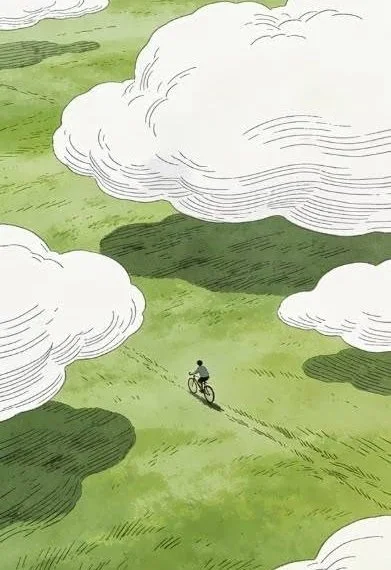
There is a familiar rhythm to this season. The days grow shorter, the air begins to change, and the school year is once again underway. Children return to classrooms, adults return to routines, and we are reminded of something that is easy to forget: learning is not a stage of life. Learnin is a way of living.
The Fourth Keystone calls us to endeavor to learn new things and be educated by others.
The world around us is changing faster than any classroom can keep pace with. New technologies reshape our work. New discoveries challenge what we thought we knew. Political conflicts, economic uncertainty, natural disasters, a news cycle that never seems to stop - and all of these can change our plans in a blink and without warning. Yet even when circumstances interrupt our education, we must not surrender our capacity to learn.
The school that never closes is the mind that remains willing to grow.
There are lessons everywhere, if we are willing to recognize them. We can learn from books and teachers, certainly, but also from failure, from strangers, from our neighbors, from those who disagree with us, and from those whose experiences are entirely unlike our own. Sometimes the most important lesson is not a new fact, but the realization that something we believed was incomplete.
This is why learning is more than the accumulation of knowledge. It is an act of independence. The more we understand, the better equipped we are to make our own decisions. Education gives us the ability to distinguish evidence from assertion, opportunity from distraction, and wisdom from confidence without knowledge.
But learning also makes us better members of a community. The knowledge we gain is not ours alone. A skill learned can be taught. A mistake survived can become advice. A book that changed us can be shared. A lesson learned through hardship can spare someone else from suffering the same pain.
This is especially important in our Temple. We should think of the Temple not simply as a place where people gather, but as a place where people teach one another. Every member possesses experiences, skills, discoveries, and perspectives that another member may need. Our community becomes stronger when those things are shared freely.
And we should remember that not everyone is given the same opportunity to learn. To uphold the rights and autonomy of others, as the Third Keystone calls us to do, means recognizing that access to knowledge, education, and the ability to develop oneself are foundations of human independence. When we help another person learn, we are not merely giving them information. We are helping give them greater command over their own future.
There will always be forces that tell us to stop learning: that we are too old, too busy, too comfortable, too discouraged, or already certain enough. We should resist them.
Ask a better question. Read the unfamiliar book. Learn the skill you have postponed. Listen to someone whose experience differs from your own. Teach someone what you know. Change your mind when the evidence demands it.
We do not know what challenges the coming year will bring. We cannot control every disruption, every disappointment, or every unexpected turn.
But we can control whether we remain students.
The world may interrupt our plans, but it must never be permitted to interrupt our growth.
The school never closes. The lesson is always waiting. And so long as we remain willing to learn, there is always another lesson ahead. This is The Way.