80 - Strength Through Motion
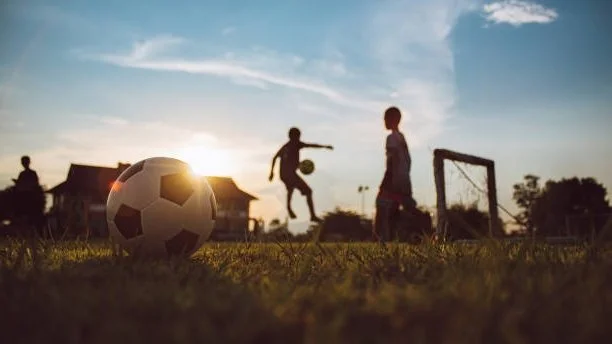
Many of you can feel excitement building. Streets fill, parks awaken, travel begins in earnest, and people are drawn outdoors by instinct as much as intention. Soon, millions will gather around televisions, in public squares, and in crowded stadiums to witness the beginning of the World Cup — a global celebration of discipline, teamwork, endurance, and human excellence.
There is something deeply revealing about this event. Though nations may disagree politically and cultures may differ profoundly, people everywhere still recognize and admire the same qualities: commitment, preparation, sacrifice, resilience, and mastery earned through effort. Greatness, whether in sport or in life, is never accidental.
This truth speaks directly about two guideposts of Paraclism. Recall the First Keystone: “Strive to be efficient, competent, and autonomous”, and also to the Fifth Keystone: “Seek and follow your calling in life”.
Physical vitality is not separate from spiritual or intellectual life. The body and mind are deeply connected, each strengthening or weakening the other. One of the most practical and transformative acts available to any person is the simple decision to move, train, and care for the body they inhabit. Exercise improves health, sharpens thought, increases energy, and strengthens emotional resilience. Physical activity grants clarity in moments of stress and endurance in moments of hardship.
Yet the importance of physical effort extends beyond utility alone. Discipline in movement teaches discipline in life. A person who learns to persist through fatigue, discomfort, and repetition develops habits that naturally carry into work, relationships, faith, and community. Effort becomes familiar rather than frightening.
This is one reason athletic competition captivates humanity so deeply. The players who will soon take the world stage did not arrive there through talent or luck alone. Behind every moment of brilliance lies years of unseen labor — early mornings, injuries endured, failures absorbed, and countless hours spent refining skill through repetition. People recognize something noble in this process because, at some level, they understand that meaningful achievement in any field demands similar perseverance.
But Paraclism does not demand that every person become an elite athlete - far from it. The lesson is broader and more humane than that. The call is simply to avoid stagnation. One person may find fulfillment through long walks beneath the summer sun. Another through weightlifting, cycling, swimming, dance, hiking, climbing, or recreational sport shared among friends. What matters is movement, effort, and the willingness to cultivate strength rather than surrender to passivity. To embrace community instead of apathy.
There is profound communal value in physical activity. Sports and exercise bring people together across backgrounds and generations. They create cooperation, mutual encouragement, and shared purpose. In this way, physical vitality strengthens not only the individual but the wider community as well.
As summer begins and the world turns its attention toward competition and celebration, let this season serve as a reminder that the pursuit of strength is not vanity — it is stewardship. By caring for the body, sharpening the mind, and cultivating discipline through motion, we better prepare ourselves to fulfill our callings and contribute meaningfully to those around us.
The body in motion is not merely exercising. It is practicing endurance for the responsibilities of life itself, a sacred duty given to us by the Paraclete. Make the most of your time!